

An error on your traffic ticket does not automatically make it invalid. Minor mistakes like spelling errors or wrong vehicle colour are often corrected before trial, while serious errors may affect the validity of your case. Knowing the difference between minor and fatal errors is critical.

Common Speeding Ticket Errors

The most common types of mistakes found on Ontario speeding tickets include:

Personal Details

  • Misspelled name
  • Incorrect driver’s licence number
  • Wrong home address

Vehicle Details

  • Incorrect licence plate number
  • Wrong make, model, or colour

Offence Details

  • Wrong date, time, or location of the offence

Officer / Ticket Issues

  • Missing officer’s signature
  • Wrong offence code or statute
  • Incorrect fine amount

Unraveling the Mystery of Fatal Errors

Not every issue with a ticket qualifies as a fatal error, but understanding which ones do is essential if you plan to challenge it in court. A fatal error is more than just a typo — it’s a legal flaw that can invalidate the entire offence notice. But how can you tell the difference between all ticket error types and those that actually matter?

Let’s say there’s a mistake on your speeding ticket — like listing the wrong speed limit for the zone or omitting the date of the offence. While some of these might be corrected, others could seriously impact the legitimacy of the charge, especially if the incorrect information affects your ability to mount a defence.

You might wonder, what if an officer makes a mistake on a ticket? The answer depends on what kind of mistake it is. Clerical issues like misspelled names can be amended. But missing legal elements — such as the statute violated or an unsigned certificate — may render the ticket defective under Ontario Regulation 472/21.

Ultimately, identifying which errors fall into the “fatal” category requires a detailed understanding of Ontario traffic laws. That’s why it’s important to have your ticket reviewed by professionals who can separate harmless mistakes from legally significant ones.

Understanding the Gravity

When you’re handed a traffic ticket in Ontario, it’s essential to understand the legal implications of any errors it may contain. In addition to the caselaw, Ontario Regulation 472/21 provides a detailed framework for what constitutes a defective certificate of offence. This regulation is critical in assessing the legal standing of your ticket and determining whether an error could lead to its dismissal.
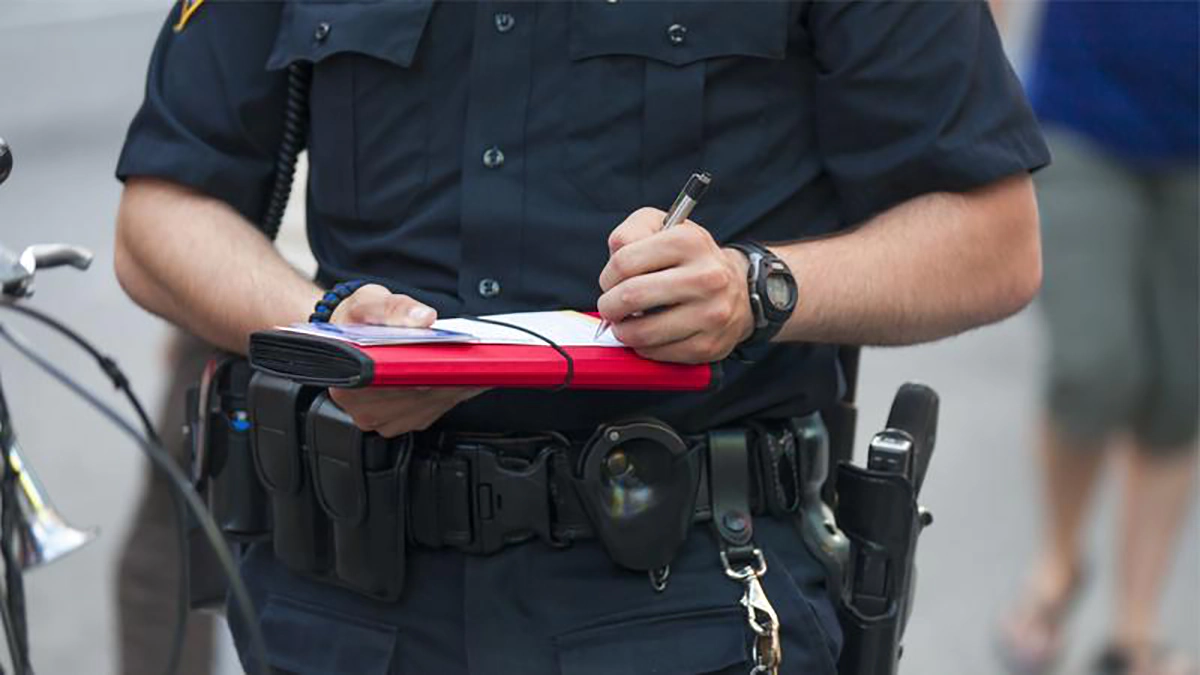
mistake on speeding ticket

Navigating Through Traffic Ticket Errors

Traffic tickets in Ontario can contain a range of errors — some harmless, others potentially serious. Understanding all ticket error types is crucial for anyone facing charges. Whether it’s a mistake on a speeding ticket or a clerical discrepancy on another offence notice, identifying the nature of the issue determines whether the charge can be challenged. But what if an officer makes a mistake on a ticket? Does it mean the charge is automatically invalid? The answer lies in distinguishing between minor and fatal errors — and knowing how the law treats each scenario.

Minor Mistakes (Non-Fatal Errors)

Minor mistakes on a traffic ticket are clerical issues that usually do not affect the legal validity of the charge and can often be corrected by the court under Section 34 of the Provincial Offences Act.

These typically include:

  • misspelled name or address;
  • incorrect vehicle colour, make, or minor description errors;
  • small time or clerical inaccuracies.

For example, if your name is spelled “Brian” instead of “Bryan”, this is considered a non-fatal error that does not change the substance of the offence and may be amended in court.

Minor mistakes on a traffic ticket are clerical issues that usually do not affect the legal validity of the charge and may be corrected by the court under Section 34 of the Provincial Offences Act (Ontario). This is why small spelling, vehicle description, or time errors do not automatically invalidate a speeding ticket.

Fatal Errors 

Fatal errors are serious legal defects that may invalidate a traffic ticket under Ontario Regulation 472/21 and the Provincial Offences Act.

These include:

Improper Service of Notice
If the offence notice or summons was not properly served in accordance with subsection 3(3) of the Act — for example, if it was mailed to the wrong address or not personally served — the charge may be dismissed.

Filing Non-Compliance
The ticket must be filed with the court within the statutory timeframe required by section 4 of the Act. Failure to meet this requirement may render the ticket defective.

Certificate Inadequacies
A valid ticket must contain all required legal information, including:

  • the certifier’s name and signature;
  • the defendant’s name and either address or date of birth;
  • a clear description of the offence, including the specific statute or regulation;
  • the exact location of the offence (including municipality);
  • the offence date, including the year;
  • the correct set fine under the Act or the Contraventions Act (Canada).

An example of a fatal error is when a ticket fails to reference the specific section of the Highway Traffic Act allegedly violated, making the charge legally unclear and potentially invalid.

Multiple Errors on Traffic Ticket

The presence of multiple errors on a traffic ticket, particularly those that violate Ontario Regulation 472/21, can significantly strengthen your defence. Each error, especially if it pertains to the fundamental aspects of the ticket, casts doubt on its accuracy and reliability. For example, if a ticket has the wrong date, incorrect statute reference, and lacks the officer’s signature, these cumulative errors can provide strong grounds for challenging the ticket.

what if an officer makes a mistake on a ticket

Challenging a Mistake on Your Ticket

Identifying an error on a traffic ticket is a crucial step in mounting a defence. Traffic Paralegal Services employs the criteria of Ontario Regulation 472/21 to assess the validity of traffic tickets. This process requires a deep understanding of the legal framework surrounding traffic violations in Ontario and meticulous attention to detail.

Why You Shouldn’t Ignore a Ticket

Even if your traffic ticket has an error, you cannot simply disregard it. Ontario law still requires you to respond, and ignoring it may result in higher fines, licence suspensions, or even collections.

Some key points to remember:

  • Amendments are possible – Courts or officers can correct clerical mistakes, such as misspelled names or wrong vehicle details, before trial.
  • Not automatically invalid – A typo or small discrepancy does not erase the charge and will rarely be enough for dismissal.
  • Re-issuance – Police may issue a new, corrected ticket within up to one year, meaning the matter does not simply disappear.
  • Legal requirements – You remain obligated to pay or contest the ticket, regardless of errors.

When an Error Might Matter

Not every mistake on a ticket is serious, but certain errors can affect whether it holds up in court. If the date, time, or location of the offence is wrong, or the statute is misquoted, the charge may be undermined. Likewise, if the ticket does not clearly identify the driver or vehicle, it becomes difficult for the prosecution to prove responsibility.

These kinds of critical information errors can sometimes be used to challenge a ticket successfully. However, distinguishing between minor clerical issues and legally significant flaws usually requires professional review. That is why consulting a paralegal or lawyer is highly recommended.

Speeding Ticket with the Wrong Date – Why This Is No Longer a “Fatal Error”

In Ontario, an incorrect offence date is no longer automatically considered a fatal error.
Prosecutors are usually permitted to amend the date.

However, a wrong date can still strengthen your defence if:

  • there are multiple ticket errors, or
  • you can prove you were not at the alleged location on that date.

In such cases, always request disclosure — including officer notes, body-cam footage, and radar / lidar calibration records.

If Your Address Is Wrong on the Ticket

An incorrect address does not automatically cancel a speeding ticket, but it can support your defence if it interfered with proper service or identification.

Drivers are still responsible for notifying the court of any address change — failure to do so may result in missed notices, licence suspension, or enforcement action.

Practical Steps if You Find an Error

If you spot an error, the best approach is to take action rather than ignoring it.

Steps to follow:

  • Do not ignore it – A mistake does not cancel your obligation to respond.
  • Keep a copy – Document the ticket and highlight the errors for your records.
  • Consult a paralegal/lawyer – A professional can confirm whether the error is fatal under Ontario Regulation 472/21.

Decide your strategy – Depending on the assessment, you can pay the fine, request a meeting to negotiate, or contest the ticket in court.

What to Do When an Officer Makes a Mistake

Mistakes made by an officer do not automatically cancel your ticket, but they can become powerful defence tools if used correctly. The key is to avoid triggering an immediate correction at the roadside and instead build your case carefully during the preparation stage.

  • Do not point out the error at the roadside — the officer may simply re-issue the ticket.
  • Gather evidence: dashcam video, photos, witnesses.
  • Request disclosure before your trial date.

Plead not guilty and use the errors during court preparation as part of your defence strategy.

The Art of Defense: Using Errors to Your Benefit

Effectively leveraging errors on your ticket involves an in-depth analysis of how these mistakes conflict with the requirements of Ontario Regulation 472/21. A ticket missing crucial information like the date of the offence or the applicable set fine is not just a simple oversight; it’s a significant legal flaw that could lead to the ticket being deemed defective. Our defence strategy involves a thorough examination of each aspect of the ticket and a comprehensive understanding of the legal standards set forth in the regulation.
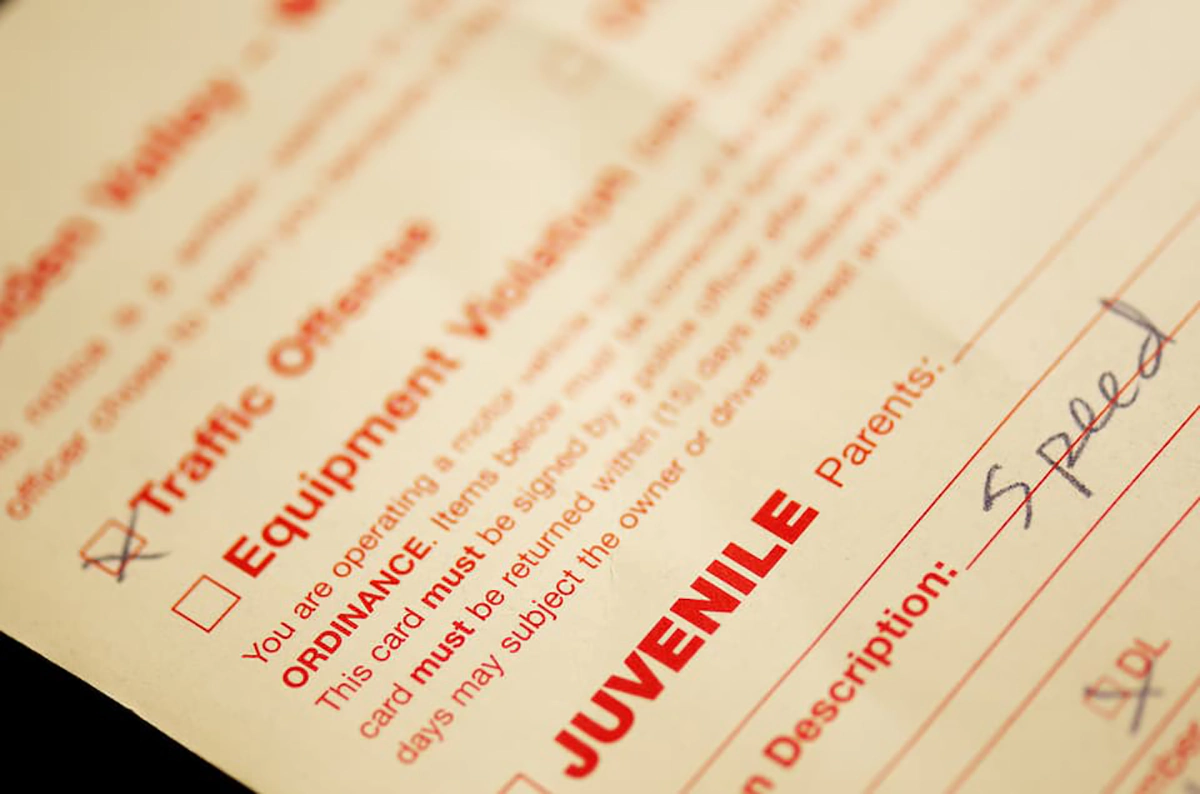
fatal errors on traffic tickets ontario

Conclusion: Wrapping Up the Ticket Troubles

In conclusion, errors on a traffic ticket, especially those that contravene the stipulations of Ontario Regulation 472/21, have the potential to significantly alter the outcome of your case.

Ticket mistakes are most effective when they:

  • appear together,
  • are supported by your own evidence (phone logs, GPS data, receipts), and
  • undermine the officer’s accuracy or equipment reliability.

This combined strategy is what most often leads to charge withdrawal or reduction.

While not every error will result in a dismissal, understanding these mistakes and how they impact your ticket’s validity is crucial. At Traffic Paralegal Services, we specialize in carefully evaluating each ticket against these legal standards, providing an informed and strategic approach to defending our clients.

With our expertise, even the most complex traffic tickets and situations, such as those arising from car accidents, can be navigated effectively. Our goal is to ensure that every detail is meticulously examined and utilized to your advantage, providing the best possible defence.

For guidance and defence against traffic tickets and comprehensive assistance with the intricacies of the Provincial Offences Act and Highway Traffic Act in Ontario, consider Traffic Paralegal Services. Our team is dedicated to providing you with the highest level of legal support and representation, ensuring that your rights are protected and your case is handled with the utmost care and professionalism.

FAQ

In some cases, a missing officer’s signature may make the ticket invalid, especially if the signature is legally required to confirm the information. This detail can vary by region and ticket type, so it’s wise to check with a legal professional.

If you spot an error on your ticket, it’s best to contact a paralegal or traffic law expert. They can assess if the mistake could be used as a defense and advise on the best approach to contest the ticket.

Yes, an incorrect fine amount can sometimes be contested. If the fine listed is higher than allowed by law, it could be challenged. However, lower fine amounts usually don’t provide a defense.

Even if you committed the offense, certain errors on a ticket may provide a defense. Significant inaccuracies might still allow you to contest the ticket or potentially reduce the penalties, so consulting a legal professional is worthwhile.

No, it’s important not to ignore a ticket, even if you believe there’s an error. Failing to respond can result in additional penalties. Instead, review the ticket details, and consider consulting a legal expert to determine your options.

Fatal errors on traffic tickets in Ontario are significant mistakes that may render the ticket invalid. These include missing the date of the offense, incorrect legal codes, or lack of an officer’s signature. If a fatal error is present, the court may dismiss the ticket entirely.

What happens if an officer makes a mistake on a ticket depends on the type of error. While some minor mistakes (like spelling) may be overlooked, major factual inaccuracies can affect your case. These errors may be challenged in court and could impact the outcome.

In certain situations, an error on a speeding ticket can be grounds for dismissal, especially if the error affects key details like your identity, the vehicle information, or the location of the offense. Consulting a traffic ticket expert is the best way to assess your chances.